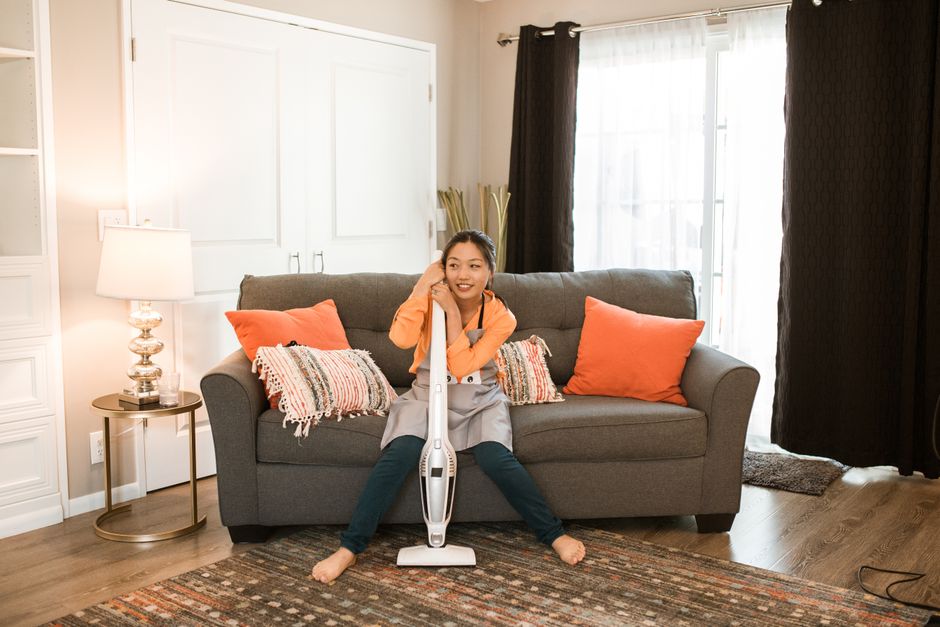
Beginner guide to reducing allergens with home cleaning
If your home seems clean but you still wake up sniffing, sneezing, or rubbing your eyes, you are not imagining it. Allergens hide in places a quick tidy misses: soft furnishings, carpets, bedding, vents, and even the dust that settles back down after you have already cleaned. This Beginner guide to reducing allergens with home cleaning explains what actually helps, what is mostly wasted effort, and how to build a routine that makes day-to-day life noticeably easier. It is practical, beginner-friendly, and built for real homes, not showroom perfection.
You do not need a complicated system. You need the right order, the right tools, and a bit of consistency. Let's keep it simple and useful.
Why Beginner guide to reducing allergens with home cleaning Matters
Allergens are tiny particles or proteins that can trigger symptoms in sensitive people. In the home, the usual suspects are dust mites, pet dander, pollen brought in on shoes and clothes, mould spores, and general dust build-up. For some households, these are a mild nuisance. For others, they can affect sleep, concentration, and comfort every single day.
What makes home cleaning so important is not just the appearance of cleanliness. It is the reduction of build-up in the places allergens like to hide. A room can look spotless and still contain plenty of triggers in fabrics, corners, skirting boards, and airflow pathways. Truth be told, that is why so many people feel frustrated: they have cleaned, but the sneezing keeps going.
In practical terms, reducing allergens is about lowering the amount of material in your environment that can become airborne or easily disturbed. The goal is not a sterile home. That would be unrealistic, and maybe a little miserable too. The goal is a calmer, cleaner living space that is easier on the nose, eyes, and chest.
If someone in your home has asthma or ongoing allergy symptoms, a thoughtful cleaning routine can be part of a wider management approach. It is not a cure, but it can make a real difference to comfort and day-to-day control.
How Beginner guide to reducing allergens with home cleaning Works
The basic idea is simple: remove, trap, and prevent. You remove allergen-containing dust and debris from surfaces. You trap particles with the right tools so they are not sent back into the air. Then you prevent new build-up by cleaning consistently and reducing the places allergens accumulate.
That is why the method matters. Dry dusting with a feather duster can look efficient, but it often spreads particles around rather than taking them away. Likewise, aggressive sweeping on hard floors can stir up dust and pet hair, which is exactly what you do not want. A better routine uses slightly damp methods, vacuuming with proper filtration, and targeted cleaning of soft furnishings.
Think of your home in layers:
- Airborne particles settle onto surfaces.
- Dust reservoirs such as carpets, rugs, curtains, and upholstery hold allergens.
- High-contact areas like bed linen, sofa arms, and doorway floors collect fresh material daily.
- Moisture-prone spots can allow mould to grow if they are ignored.
When you clean in the right order, you reduce the chance of recontamination. For example, vacuuming before you dust the top shelves is usually backwards. You would just be sending dust down again. It sounds obvious once said, but most people do it at least once. Or twice. No judgement.
Key Benefits and Practical Advantages
A good allergen-reduction cleaning routine is valuable for more than one reason. Yes, it can help symptoms feel more manageable, but it also improves the overall feel of the home. A room that is less dusty and more orderly tends to feel fresher, lighter, and easier to maintain.
- Less irritation: fewer dust and dander particles floating around can mean less sneezing and eye rubbing.
- Better sleep environment: bedroom cleaning matters a lot because people spend long periods there, especially on fabrics and bedding.
- Improved freshness: clean soft furnishings and floors often remove the stale smell that builds up over time.
- More manageable routines: once a system is set, maintenance becomes quicker and less daunting.
- Better for shared households: if one person is sensitive, everyone benefits from a cleaner baseline.
There is also a practical money angle. Small, regular cleaning is often more manageable than waiting until everything needs a deep clean at once. A tidy allergen-focused routine can reduce the need for constant catch-up cleaning, which is a relief on a busy week. Monday morning, for instance, already has enough going on.
Expert summary: The most effective allergen-reduction cleaning is not about cleaning harder. It is about cleaning in the right places, with the right tools, in a repeatable order.
Who This Is For and When It Makes Sense
This approach makes sense for a wide range of homes, but especially if any of the following sound familiar:
- Someone in the home has hay fever, asthma, or dust sensitivity.
- You have pets that shed hair or dander.
- You live near busy roads, building works, or high-pollen areas.
- Soft furnishings, carpets, or rugs are a big part of the home.
- Rooms feel dusty again only a short time after cleaning.
- You notice musty smells, condensation, or mould-prone areas.
It is also useful for renters preparing a property, landlords wanting a healthier standard between tenancies, or anyone trying to make a home feel cleaner without constantly relying on strong scents. In fact, heavily fragranced products can sometimes make sensitive people feel worse. Fresh is better than fake-fresh, if you know what I mean.
For larger homes, family homes, or properties with carpet-heavy living areas, the difference between a general tidy and a focused allergen-clean can be surprisingly noticeable. In smaller flats, the routine is usually quicker, but the same principles still apply.
Step-by-Step Guidance
Here is a straightforward process you can follow without turning your weekend into a cleaning marathon.
1. Start with the bedroom
The bedroom is one of the most important spaces for allergen control because of the time spent there. Begin with bedding, mattress surfaces, and the floor around the bed. Wash sheets regularly, vacuum under the bed if possible, and keep clutter to a minimum so dust has fewer places to settle.
2. Work from top to bottom
Always clean higher surfaces first: shelves, picture frames, top edges of wardrobes, and light fittings. Dust falls down, so make gravity do some of the work for you. Then move to surfaces below, and finish with floors.
3. Use damp microfibre instead of dry dusting
A slightly damp microfibre cloth is often better than a dry cloth because it traps dust rather than flicking it into the air. Use a fresh cloth or rinse it as needed so you are not just spreading residue around.
4. Vacuum slowly and thoroughly
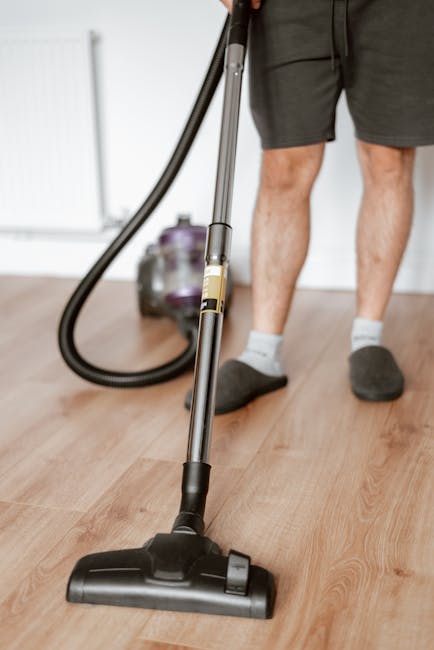
Slow vacuuming is better than fast, casual passes. Go over carpets, rugs, baseboards, and upholstered edges. If you have a vacuum with a HEPA filter or another strong filtration system, that is usually preferable for capturing fine particles. On the other hand, a weak vacuum can be more effort than it is worth.
5. Clean soft furnishings regularly
Fabric is a magnet for allergens. Curtains, cushions, sofas, and rugs all hold dust and dander. Consider routine care for items that are often ignored. For example, a sofa can look spotless while still collecting plenty of hidden build-up in the seams and arms.
6. Control moisture
Moisture can encourage mould growth, especially in bathrooms, kitchens, around windows, and anywhere condensation appears. Wipe damp areas dry, fix leaks quickly, and make sure ventilation is adequate. A little extra attention here goes a long way.
7. Reduce what collects dust in the first place
Fewer objects out in the open means fewer surfaces for dust to settle on. That does not mean living in a bare box. It just means being thoughtful about decorative clutter, textile overload, and storage. A calmer room is easier to keep cleaner.
8. Build a repeatable routine
One-off effort helps, but consistency wins. Set weekly and monthly tasks that fit real life. Better to do a sensible 20-minute routine often than a heroic all-day clean once in a blue moon.
| Area | What to do | Why it helps |
|---|---|---|
| Bedroom | Wash bedding, vacuum floor and under bed, reduce clutter | Reduces overnight exposure to dust and mites |
| Living room | Vacuum upholstery, clean cushions, dust shelves | Targets dander and dust reservoirs |
| Kitchen | Wipe surfaces, control crumbs, clean ventilation-prone spots | Limits debris and mould-friendly moisture |
| Bathroom | Dry wet areas, clean grout, improve ventilation | Helps prevent mould and damp smells |
| Hallways/entry | Clean floors and reduce tracked-in dirt | Stops pollen and outdoor dust spreading indoors |
Expert Tips for Better Results
A few small decisions can make your routine much more effective. These are the details people often miss.
- Vacuum at a steady pace: rushing means the machine does less work. Let it actually pick things up.
- Clean entry points first: shoes, mats, and hallway floors bring in pollen and dirt from outside.
- Pay attention to pet sleeping areas: dander is not just about the pet itself, but where they rest, nap, and shed.
- Do not overuse sprays: strong scents and aerosols can irritate some people, especially in smaller rooms.
- Choose washable fabrics where practical: blankets, cushion covers, and throws are easier to maintain when they can go in the wash.
One useful rule: clean the places that gather allergens, not just the places people notice. That usually means under furniture, behind doors, along skirting boards, around vents, and on soft furnishings. A home can look tidy from the doorway and still be a bit dusty where it counts.
If you are trying to build a healthier routine for your household, sometimes the simplest fix is removing friction. Keep cleaning cloths where you use them. Keep the vacuum accessible. Keep the routine visible. That sounds very basic, but convenience often decides whether a habit sticks.
And yes, there will always be a corner that seems to re-dust itself overnight. That corner is rude, frankly.
Common Mistakes to Avoid
People usually do not fail at allergen reduction because they are lazy. They fail because the routine is slightly off. These mistakes are common, and easy to fix once you spot them.
- Using dry dusters everywhere: they can scatter particles instead of trapping them.
- Vacuuming too quickly: this reduces pickup, especially on rugs and carpets.
- Ignoring upholstery: sofas, chairs, and headboards hold a lot more dust than many expect.
- Only cleaning visible surfaces: allergens often live where the eye does not naturally go.
- Letting damp areas linger: mould risk rises when moisture is left to sit.
- Overloading the room with fragrance: smell is not the same as clean, even if adverts try very hard to suggest otherwise.
Another common issue is doing too much at once, then stopping for weeks. That cycle can be exhausting. A smaller, more regular plan is usually more realistic and more effective. If you can only do one thing today, start with bedding or the bedroom floor. That alone is not nothing.
Tools, Resources and Recommendations
You do not need specialist equipment to get started, but a few sensible tools make a real difference.
- Microfibre cloths: good for trapping dust on shelves, frames, and surfaces.
- Vacuum with strong filtration: especially useful for carpets, rugs, and upholstery.
- Mop suitable for hard floors: damp mopping is usually better than dry sweeping for dust control.
- Mattress and upholstery attachments: helpful for beds, sofas, and fabric headboards.
- Washable bedding and covers: practical for routine allergen management.
- Ventilation tools or dehumidifying support: useful in rooms prone to damp.
Depending on the home, a deep cleaning service can be a sensible reset if build-up has become hard to manage, while domestic cleaning is often better for keeping the routine going week after week. If carpets are a major concern, carpet cleaning can help reduce embedded dust and hair. For sofas and chairs, upholstery cleaning is often the missing piece. And for homes that need an occasional reset rather than a full schedule, one-off cleaning can be a practical starting point.
Choosing the right approach depends on your home's surfaces, how many people live there, whether pets are involved, and how sensitive the household is. A carpet-heavy family home with a cat, for example, will need a different rhythm from a small flat with hard floors and minimal fabric. Obvious once you say it, but worth saying.
Law, Compliance, Standards, or Best Practice
For most households, allergen-focused home cleaning is about best practice rather than legal compliance. Still, if you hire a cleaning company, it is sensible to expect proper care around safety, insurance, and product use. In the UK, reputable cleaners should work with suitable cleaning methods, handle chemicals responsibly, and follow general health and safety practice in the home.
If mould is present, you should treat it carefully. Small household spots may be cleaned with appropriate products and good ventilation, but larger or recurring mould problems can signal a moisture or building issue that needs proper attention. In rental properties, damp and mould concerns should not be ignored. That is less about a glamorous clean and more about preventing an ongoing problem from getting worse.
For people with serious allergies or asthma, it is also sensible to keep communication clear with any cleaning provider. Mention known triggers, preferred products, and any rooms that need extra care. A good cleaner should be able to adapt without making a fuss.
In plain English: best practice is about reducing risk, not just improving appearance. If the cleaning method stirs up more dust than it removes, it is not helping.
Options, Methods, or Comparison Table
Not every method suits every home. Here is a simple comparison to help you choose what to focus on first.
| Method | Best for | Strengths | Limitations |
|---|---|---|---|
| Regular light cleaning | Homes with manageable build-up | Easy to maintain, low effort | May miss deep-set allergens |
| Focused room-by-room cleaning | Allergy-prone bedrooms or living rooms | Targets problem areas directly | Takes more planning |
| Deep cleaning | Heavy dust, neglected areas, move-in/move-out situations | More thorough reset | More time and effort |
| Professional cleaning support | Busy homes, bigger properties, persistent build-up | Efficient and detailed | Needs the right provider and timing |
| Combination approach | Most households | Balances upkeep and occasional resets | Requires consistency |
For many people, the combination approach is the sweet spot: routine domestic cleaning for maintenance, plus a deeper service every so often for carpets, upholstery, or stubborn areas. That tends to be more sustainable than trying to do everything yourself every weekend.
Case Study or Real-World Example
Here is a typical real-world scenario. A family in a two-bedroom flat notices that one person is waking up congested most mornings, especially after a warm, dry week. The flat looks tidy, but the bedrooms have thick curtains, a carpeted floor, a fabric sofa in the living room, and a few too many soft toys. Nothing dramatic. Just enough hidden build-up to matter.
They start with the basics: bedding washed more regularly, vacuuming under the bed, keeping the bedroom window area cleaner, and reducing clutter around the floor. They also add a proper upholstery clean for the sofa and a more thorough carpet clean in the main bedroom. In the hallway, they switch to a more regular floor clean so outdoor dust is not being carried through the rest of the home.
What changes first is not some magical instant transformation. It is that the home starts to feel easier to breathe in. The mornings are a bit less groggy. Surfaces stay cleaner for longer. The family also notices that weekly upkeep becomes less stressful because the home is no longer fighting them quite as much. That is the pattern I see again and again: small changes, then steady relief.
Not every home will respond the same way, of course, and allergy symptoms can have many causes. But when cleaning is part of the problem, cleaning can absolutely be part of the solution.
Practical Checklist
Use this as a quick-start checklist for the first month.
- Wash bedding regularly and keep pillows and mattresses in mind.
- Vacuum carpets, rugs, and hard floors with care, not speed.
- Dust high surfaces first, then lower surfaces, then floors.
- Use damp microfibre cloths instead of spreading dust around.
- Clean sofas, cushions, curtains, and other soft furnishings.
- Pay attention to entryways and hallways where dirt is tracked in.
- Keep bathrooms and kitchens dry enough to discourage mould.
- Reduce clutter where it traps dust.
- Check hidden areas such as under beds, behind furniture, and along skirting boards.
- Adjust the routine if pets, damp, or heavy fabrics are part of the home.
Quick takeaway: start with the bedroom, then the living room, then the damp-prone spaces. That order usually gives the best return for the effort.
Conclusion
The best Beginner guide to reducing allergens with home cleaning is not about chasing perfection. It is about making your home easier to live in, one sensible habit at a time. Focus on the spaces that hold dust, the fabrics that trap it, and the routines that stop it building up again. Keep the process realistic, repeatable, and calm.
That is really the heart of it. Less guesswork. Less frustration. More comfort.
If you are ready to take the next step, consider where the biggest allergen sources are in your home and choose the simplest fix first. A focused clean in the right place can be more valuable than a whole day of scrubbing the wrong ones.
Get a free quote today and see how much you can save.
Frequently Asked Questions
What is the best cleaning routine for reducing allergens at home?
The best routine is a regular one that combines vacuuming, damp dusting, bedding care, and attention to soft furnishings. Start with the bedroom and high-use living spaces, then add bathroom and kitchen moisture control. Consistency matters more than doing everything at once.
Does vacuuming really help with allergies?
Yes, especially if the vacuum has strong suction and good filtration. It helps remove dust, pet hair, and particles from carpets, rugs, and upholstery. The key is to vacuum slowly and thoroughly so debris is actually collected rather than stirred up.
Is dry dusting bad for allergens?
Dry dusting is often less effective because it can move particles into the air or from one surface to another. A slightly damp microfibre cloth is usually better because it traps dust. That said, the best method depends on the surface, so use care with delicate items.
How often should I clean bedding to reduce dust mites?
Regular bedding washing is one of the most useful habits for allergen control. Many households find that weekly laundering works well, but the right frequency depends on sensitivity, use, pets, and personal routine. The important thing is not to let it slide for too long.
Are carpets bad for allergies?
Carpets can hold dust and allergens, but they are not automatically a problem if they are cleaned properly. Regular vacuuming and occasional carpet cleaning can help keep them under control. If build-up is severe, a professional clean may be worth considering.
What should I clean first if I only have 20 minutes?
Start with the bedroom floor, bedding, or the main living room surfaces where you spend the most time. If pets are involved, focus on the areas where they sleep or rest. Small, targeted cleaning often gives better results than trying to do the whole house badly.
Do air fresheners help reduce allergens?
No, air fresheners only mask smells. They do not remove dust, dander, or pollen. In some homes, strong fragrance can even irritate sensitive people, so it is usually better to prioritise actual cleaning and ventilation.
When should I consider professional cleaning?
Professional cleaning makes sense when allergens seem hard to control, when carpets or upholstery need a deeper clean, or when you simply do not have time to keep up. It can also help after a long period of neglect or before moving into a property.
Can home cleaning help with pet allergies?
Yes, it can help reduce pet hair and dander in the home. The most useful areas are floors, sofas, cushions, and the pet's usual resting spots. Regular cleaning will not remove the pet itself, obviously, but it can reduce the amount of allergen build-up.
What is the biggest mistake beginners make?
The most common mistake is cleaning in a way that spreads allergens around rather than removing them. That usually means dry dusting too much, vacuuming too quickly, or ignoring soft furnishings. A simple, careful routine is usually more effective than an intense but messy one.
How do I reduce allergens in a small flat?
Small flats benefit from the same basics: bedding care, regular vacuuming, damp dusting, and control of clutter. Because the space is smaller, allergens can circulate more easily, so it helps to stay on top of entryway dirt and soft fabrics. The good news is that maintenance is usually quicker.
Is mould part of allergen cleaning?
It can be. Mould spores may affect sensitive people, so cleaning damp areas and improving ventilation are important parts of allergen reduction. If mould keeps returning, there may be an underlying moisture issue that needs more than surface cleaning.