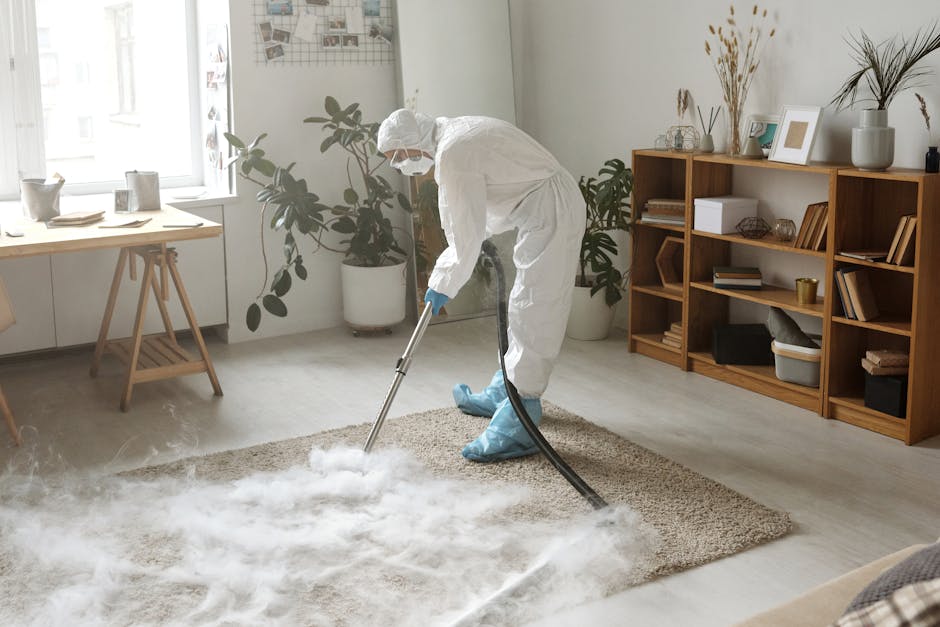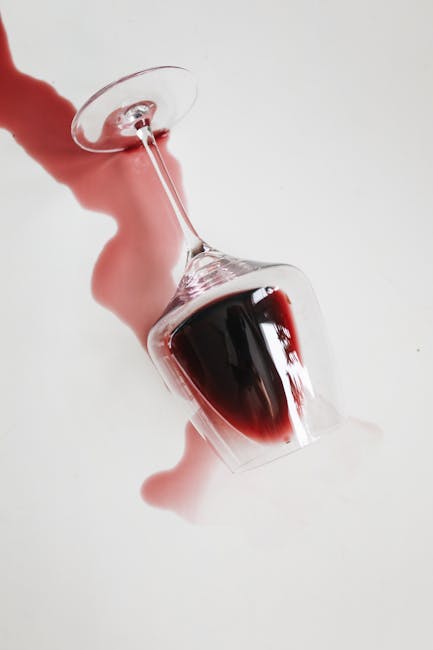
Fast emergency stain removal for spills on carpets and upholstery
Spills happen at the worst possible moment. A glass of red wine tips over during dinner, coffee splashes onto the sofa before the day has even properly started, or muddy water gets walked into the carpet and settles in. Fast emergency stain removal for spills on carpets and upholstery is about what you do in those first few minutes, because that window can make the difference between a simple clean-up and a stain that hangs around like an unwelcome guest.
This guide walks you through what works, what can go wrong, and how to act quickly without making the problem worse. You will get practical steps, simple judgment calls, and a few trade-offs that matter in the real world. Truth be told, most bad stains are made worse by panic, not the spill itself.
Expert summary: The best emergency stain response is usually quick blotting, careful product choice, and patience. Do less first, then do more only if the fabric can handle it. That sounds almost too simple, but it is often the difference between success and a permanent mark.
Table of Contents
- Why Fast emergency stain removal for spills on carpets and upholstery Matters
- How Fast emergency stain removal for spills on carpets and upholstery Works
- Key Benefits and Practical Advantages
- Who This Is For and When It Makes Sense
- Step-by-Step Guidance
- Expert Tips for Better Results
- Common Mistakes to Avoid
- Tools, Resources and Recommendations
- Law, Compliance, Standards, or Best Practice
- Options, Methods, or Comparison Table
- Case Study or Real-World Example
- Practical Checklist
- Conclusion
- Frequently Asked Questions
Why Fast emergency stain removal for spills on carpets and upholstery Matters
A fresh spill is not just a surface problem. Liquids move fast, especially into carpet pile, foam padding, and stitched upholstery seams. Once a spill starts spreading, it can travel beyond the visible mark and settle deeper into the fibres. That is why speed matters so much. A stain that looks small on the surface can quietly become a larger patch underneath.
There is also the issue of chemistry. Some substances, like coffee, tea, fruit juice, tomato sauces, or wine, contain pigments or tannins that bond with fibres over time. Oily spills behave differently. They can cling to upholstery and attract dirt, which makes the mark darken. Proteins, such as milk or food residue, can also become stubborn if heat is used too soon. So the type of spill matters, not just the size.
And then there is the everyday reality of homes and workplaces. In a busy household, you might not have the luxury of waiting around for special products or professional help. In an office, a stained reception chair can send the wrong message before the kettle has even boiled. Fast action protects appearance, helps preserve fabric life, and keeps the clean-up manageable.
To be fair, not every mark can be removed completely. But a quick, sensible response often reduces the damage dramatically. That alone is a big win.
How Fast emergency stain removal for spills on carpets and upholstery Works
The process is simpler than people expect. You are trying to lift the spill out of the fibres before it sets, spreads, or bonds more strongly. Most emergency stain removal works through a few core actions: absorb, dilute, lift, and rinse carefully. The trick is to follow those steps in the right order.
Absorb first. Remove excess liquid with a clean cloth or paper towel. Do not scrub. Scrubbing pushes the spill deeper and frays fibres, which makes the mark harder to remove later.
Dilute if appropriate. Some water-based spills can be gently treated with a small amount of cool water. This helps loosen residue so it can be blotted away. But "more water" is not always better. Over-wetting carpets can spread the stain or soak the underlay.
Lift with the right cleaner. A mild, fabric-safe cleaning solution may break down the residue. Different stains respond to different methods. A greasy mark, for example, needs a different approach from a berry juice spill. If the fabric is delicate or labelled dry-clean only, caution becomes even more important.
Rinse and dry. Leftover cleaner can attract dirt, so it should be removed carefully. Then blot the area dry and improve airflow. A fan or open window helps, especially on cooler days when drying can take ages.
The main principle is this: act gently but quickly. Emergency stain removal is not about brute force. It is about control. A calm, measured response usually beats a frantic one, every time.
Key Benefits and Practical Advantages
Fast stain removal is not only about saving a carpet or chair. It has wider practical value, especially in homes with children, pets, or lots of foot traffic. Here are the biggest benefits.
- Reduces permanent staining: The faster you treat a spill, the less time it has to bond with the fibres.
- Prevents spreading: A controlled response stops a small mark turning into a large ring or patch.
- Protects fabric texture: Gentle cleaning helps preserve the feel and look of carpets and upholstery.
- Saves time later: Early action often means less intensive cleaning, fewer repeat treatments, and less drying time.
- Improves hygiene: Food and drink spills can leave residue that starts to smell or attract dirt if ignored.
- Supports long-term upkeep: Good spill response extends the life of furnishings and makes routine maintenance easier.
There is a quiet benefit too: peace of mind. Once you know what to do, a spill feels less like a disaster and more like a routine job. That change in confidence matters more than people realise.
Who This Is For and When It Makes Sense
This advice is useful for almost anyone with carpets, rugs, sofas, armchairs, or upholstered office seating. If you live in a busy household, rent a property, manage an office, or simply like keeping your interiors looking decent, it makes sense to have a plan ready before something spills. And let's face it, something usually does spill eventually.
It is especially relevant for:
- families with young children
- pet owners dealing with muddy paws or accidents
- renters who need to protect a deposit
- homeowners trying to avoid replacement costs
- offices, waiting areas, and customer-facing spaces
- landlords and property managers responsible for presentation
It also makes sense when you are dealing with a fresh spill that has not fully set. If the stain is old, widespread, or made by a substance that can damage fibres, a more cautious approach or professional service may be better. Sometimes trying too hard at home causes more harm than leaving it alone for a specialist.
A useful rule of thumb: if the item is valuable, delicate, or sentimental, slow down and think before applying any cleaner.
Step-by-Step Guidance
If you have a fresh spill, follow this process in order. It is straightforward, but the order really matters.
1. Act immediately
Grab a clean white cloth, paper towels, or a plain absorbent towel. White is useful because you can see whether dye is transferring from the cloth. Avoid colourful towels if you do not want extra pigment on the fabric. One of those tiny details, but it counts.
2. Remove solids first
If the spill includes food, scrape up the solid matter gently with a spoon or blunt edge. Lift, do not press. Pressing can force residue deeper into carpet fibres or sofa seams.
3. Blot, do not rub
Blot from the outside of the stain inward if possible. This helps reduce spreading. Use firm, repeated pressure rather than circular rubbing. Think of it as lifting, not scrubbing.
4. Check the fabric care label
For upholstery, the cleaning code matters. Common labels may indicate whether water-based cleaning is safe, whether solvent-based cleaning is required, or whether the item should be professionally cleaned only. If there is no clear label, test carefully in an out-of-sight area.
5. Apply the right treatment lightly
Use a small amount of suitable cleaner. For a water-based spill, cool water may be enough to start. For grease or oil, a fabric-safe degreasing approach may work better. Do not soak the area. You want the cleaner to contact the stain, not drown it.
6. Blot again
After treatment, blot with a fresh cloth to lift the loosened stain. Repeat gently. If the cloth keeps picking up colour, keep going in small stages rather than flooding the area.
7. Rinse carefully if needed
If you have used a cleaner, lightly rinse the area with a damp cloth to remove residue. Again, keep it controlled. Residue left behind can attract dirt and leave a slightly sticky patch.
8. Dry properly
Use a dry towel to press out moisture, then leave the area to air dry with good ventilation. A fan helps. If it is carpet, avoid walking on the spot until it is dry. Nobody wants a neat stain turning into a muddy footprint. Been there, seen that.
Quick decision point: if the stain is still visible after two or three careful rounds, stop and reassess. Repeated aggressive treatment often makes things worse.
Expert Tips for Better Results
A few small habits can improve results a lot. These are the kinds of details that people often skip in a rush.
- Use cool water first for many spills. Warm or hot water can set some stains, especially protein-based ones like milk or egg.
- Always test first. Even gentle cleaners can affect dyes or delicate fabrics. A hidden patch is worth the minute it takes.
- Work slowly on upholstery seams. Liquid likes to gather along stitching and piping. It is sneaky like that.
- Change cloths as they become dirty. A dirty cloth can redeposit the stain you are trying to remove.
- Avoid over-saturating carpet underlay. Deep moisture can create odours and longer drying times.
- Use light pressure, not force. The stain should move into the cloth, not deeper into the fabric.
- Keep a small spill kit ready. A towel, gloves, white cloths, and a suitable cleaner in one place save time when it matters.
One practical observation: the first minute matters more than the perfect product. A decent cloth and a calm response often beat an expensive bottle used badly.
Also, if you are dealing with a dark-coloured drink on a pale sofa, resist the urge to saturate the whole panel. People do that, then wonder why the wet patch is bigger than the stain. It happens.
Common Mistakes to Avoid
Most stain problems get worse because of well-meant mistakes. Here are the big ones to avoid.
Rubbing the spill hard
This is the classic mistake. Rubbing spreads liquid, distorts fibres, and can make the stain look fuzzy even if the colour fades a little.
Using too much water
A little water can help. Too much can drive the spill into the backing or foam, especially on upholstery. Then the surface may look clean while the hidden area smells or stains later.
Applying random household products
Bleach, strong solvents, and harsh sprays can damage fibre dyes or leave rings. What "works" on one fabric can ruin another. That is not a gamble worth taking.
Ignoring the fabric type
Wool, silk blends, velvet, and synthetic upholstery all behave differently. What is safe on a synthetic office chair may be a bad idea on a delicate sofa.
Leaving residue behind
If you clean but do not remove the cleaner properly, the area may attract dirt later and look dull. Clean once, but finish the job properly.
Waiting too long
This one is obvious, but still. Fresh spills are manageable; dried stains are a different conversation. The longer you wait, the more difficult the job becomes.
Tools, Resources and Recommendations
You do not need a huge kit to handle most emergency spill situations. A simple setup is enough for many day-to-day accidents.
| Tool or item | Why it helps | Best use |
|---|---|---|
| White absorbent cloths | Lift liquid without adding dye | Blotting fresh spills on carpet and upholstery |
| Paper towels | Easy to grab in an emergency | First response and moisture removal |
| Soft spoon or dull edge | Removes solids without damaging fibres | Food spills and thicker residues |
| Fabric-safe cleaner | Helps break down specific stains | Targeted treatment after blotting |
| Dry towel | Removes remaining moisture | Final drying stage |
| Fan or open window | Speeds evaporation and reduces lingering dampness | Post-clean drying |
For more involved cleaning, it can help to use related services such as carpet cleaning or upholstery cleaning when the spill has spread, set, or started to affect the fabric texture. If the affected area is a rug rather than fitted carpet, rug cleaning may be the more suitable route.
In a domestic setting, a routine tidy-up can also support faster emergency response. A home that is already reasonably well kept is easier to rescue after a spill. A regular deep cleaning can lower the amount of built-up soil that makes stains cling more stubbornly. It is not glamorous, but it helps.
Law, Compliance, Standards, or Best Practice
For most homes, stain removal is a practical housekeeping matter rather than a legal issue. Still, there are a few best-practice points worth noting, especially in shared buildings, rental properties, and workplaces.
In rented homes, tenants are usually expected to look after the property and avoid avoidable damage, while landlords and agents expect the condition to be maintained reasonably well. For offices and hospitality spaces, the duty is more about keeping premises safe, presentable, and hygienic. That means fast spill response is not just cosmetic; it supports general good practice.
If you are cleaning in a business setting, it is sensible to consider slip risk, electrical safety around cleaning equipment, and correct use of products according to their instructions. Do not leave wet patches in walkways. Do not mix chemicals. And if a spill has involved anything hazardous, use the right procedure for that material rather than improvising.
There is also a simple standards point: fabric care labels and manufacturer guidance should guide your approach. If an item says professional cleaning only, take that seriously. It is one of those situations where being careful saves money later.
Options, Methods, or Comparison Table
Different stains and fabrics call for different responses. Here is a simple comparison to help you decide what usually makes sense first.
| Method | Best for | Pros | Limitations |
|---|---|---|---|
| Blotting with absorbent cloths | Fresh liquid spills | Fast, safe, low risk | May not fully remove set stains |
| Cool water rinse | Many water-based spills | Simple and effective | Not suitable for every fabric or stain type |
| Mild fabric-safe cleaner | Stubborn residue, food or drink marks | Targets the stain more directly | Must be tested first; overuse can leave residue |
| Professional cleaning | Large, old, delicate, or repeated stains | Better for deep or complex contamination | Costs more than home treatment |
In practice, the right option often depends on the spill's age, the fabric type, and how important the item is. A fresh tea splash on a hard-wearing synthetic chair is very different from red wine on a pale wool carpet. Same basic idea, different level of risk.
Case Study or Real-World Example
Picture a simple evening scene: someone sets a mug of coffee on the arm of the sofa, nudges it by mistake, and half of it lands on the upholstery. The spill is small, but it spreads fast because the fabric has a soft weave. There is that awful little pause where everybody looks at it. Then the real work starts.
The first response is quick blotting with a white cloth. Not rubbing. Just pressure, lift, replace cloth, repeat. The surface liquid comes away, but a pale brown shadow remains. A tiny amount of cool water is then used to loosen the residue, followed by careful blotting again. The cloth picks up more colour. Progress, but not perfect yet.
The key moment is not to pour on more cleaner straight away. Instead, the area is checked for the fabric code. The treatment stays light and controlled. After drying with a towel and leaving a window open, the mark is reduced to a faint trace rather than a visible stain. That may not sound dramatic, but in a living room it makes all the difference.
What this example shows is simple: speed, restraint, and repetition in small doses usually work better than one aggressive attempt. People often expect a miracle product. More often, it is careful technique that saves the day.
Practical Checklist
Use this checklist the next time a spill happens. It keeps the process calm and prevents the usual panic-cleaning mistakes.
- Get a clean white cloth or paper towels immediately
- Lift any solids carefully with a spoon or blunt edge
- Blot the spill gently from the outside inward
- Check the carpet or upholstery care instructions
- Test any cleaner in a hidden area first
- Use only a small amount of liquid
- Blot again with a fresh cloth
- Rinse lightly if needed to remove residue
- Dry with a towel and improve airflow
- Stop if the stain is spreading or the fabric looks damaged
- Consider professional help for delicate, large, or stubborn stains
Keep that list somewhere handy, even if only mentally. In a real spill, you do not want to be hunting for a solution while the stain is settling in.
Conclusion
Fast emergency stain removal for spills on carpets and upholstery is really about protecting time. The quicker you respond, the more options you keep open. The calmer your method, the less likely you are to spread the mess or damage the fabric. And the better you match the method to the spill, the better your results will usually be.
You do not need perfection. You need the right first move. Blot carefully, use suitable products sparingly, dry properly, and know when to stop. That simple mindset can save a lot of frustration, a lot of money, and a lot of staring at a patch of carpet wondering how it got that bad so quickly.
If the spill is large, set in, or on a valuable item, getting expert help early can be the smart choice. A small prompt action today can spare you a bigger repair tomorrow. And honestly, that is a pretty good trade.
Get a free quote today and see how much you can save.
Sometimes the best outcome is just getting your home or office back to normal without making a drama out of it. Nice and steady wins here.
Frequently Asked Questions
What is the first thing to do after a spill on carpet or upholstery?
The first thing is to blot up as much liquid as possible with a clean white cloth or paper towel. Do not rub. Rubbing pushes the spill deeper and can spread the stain wider.
Should I use hot water on fresh stains?
Usually not at first. Hot water can set some stains, especially protein-based ones like milk, egg, or some food spills. Cool water is generally the safer starting point unless the fabric guidance says otherwise.
How do I know if a cleaner is safe for upholstery?
Check the fabric care label first and test any cleaner in a hidden area. If the item says dry-clean only or the material is delicate, be cautious and consider professional cleaning.
Can I remove red wine from a sofa or carpet at home?
Often yes, especially if you act quickly. Blot first, then use a suitable fabric-safe treatment. The sooner you start, the better the odds. Once it has dried, things get trickier.
What should I avoid when cleaning spills?
Avoid hard scrubbing, strong bleach, random household chemicals, and soaking the area with too much water. Those are the main ways people accidentally turn a small spill into a bigger problem.
How long should I blot a fresh spill?
Blot until the cloth is no longer picking up much liquid. If the stain is still visible, continue gently with the right cleaning method, but do not keep pressing aggressively for ages.
Why does my stain come back after drying?
This usually happens when residue or moisture remains beneath the surface. The stain can wick back up as the fabric dries. Better blotting, more careful rinsing, and proper drying often help prevent that.
Are upholstery stains harder to remove than carpet stains?
Sometimes, yes. Upholstery can be more delicate, and cushions or seams can trap liquid deeper inside. Carpets often handle more moisture, but underlay can still hide a problem if the spill is heavy.
When should I call a professional cleaner?
Call a professional if the stain is large, old, delicate, oily, smelly, or on a valuable item. If your home treatment is making it worse, stop and get help before the damage spreads.
Can emergency stain removal prevent odours as well?
Usually, yes. Removing the spill quickly and drying the area properly helps reduce the chance of lingering smells, especially with food, milk, or pet-related accidents.
Is it worth keeping a spill kit at home?
Absolutely. A small kit with white cloths, paper towels, a spoon, and a suitable cleaner makes a real difference when something spills unexpectedly. It saves time and lowers panic levels.
What if the spill is on a delicate fabric like velvet or wool?
Be extra careful. Delicate fibres can mark, flatten, or distort easily. Blotting is still the first step, but strong cleaners and heavy moisture are riskier. If in doubt, professional treatment is usually the safer route.